Easter 2026
For the first few centuries, Christians referred to resurrection Sunday as Pascha (from Hebrew Pesach, Passover) and most of the Christian world still does, but the Germanic/English regions have referred to this day as Easter since about the 8th century.
The English monk Bede wrote that the month in which Easter fell was called Ēosturmōnaþ, named after a pagan Anglo-Saxon goddess Ēostre (or Eastre), associated with spring and renewal. But some linguists suggest the word may come from a Proto-Germanic root related to: east (the direction of the rising sun), or dawn / shining (e.g., Proto-Indo-European aus- meaning “to shine” or “rise”). This connects Easter to sunrise and new light.
Indeed, Easter is the dawning of a new day and the disbursement of darkness. His resurrection changed everything.
Early this morning as I was lying in bed my thoughts started thinking about the dark mental state of His followers after the crucifixion. They had a whole day before the resurrection to think about the death of the One they thought was the Messiah. He was lying in a grave. It doesn’t seem that any of them seriously remembered or considered the possibility of resurrection. He had come to the end of life, something no human being had ever reversed. It was a dark day for them all.
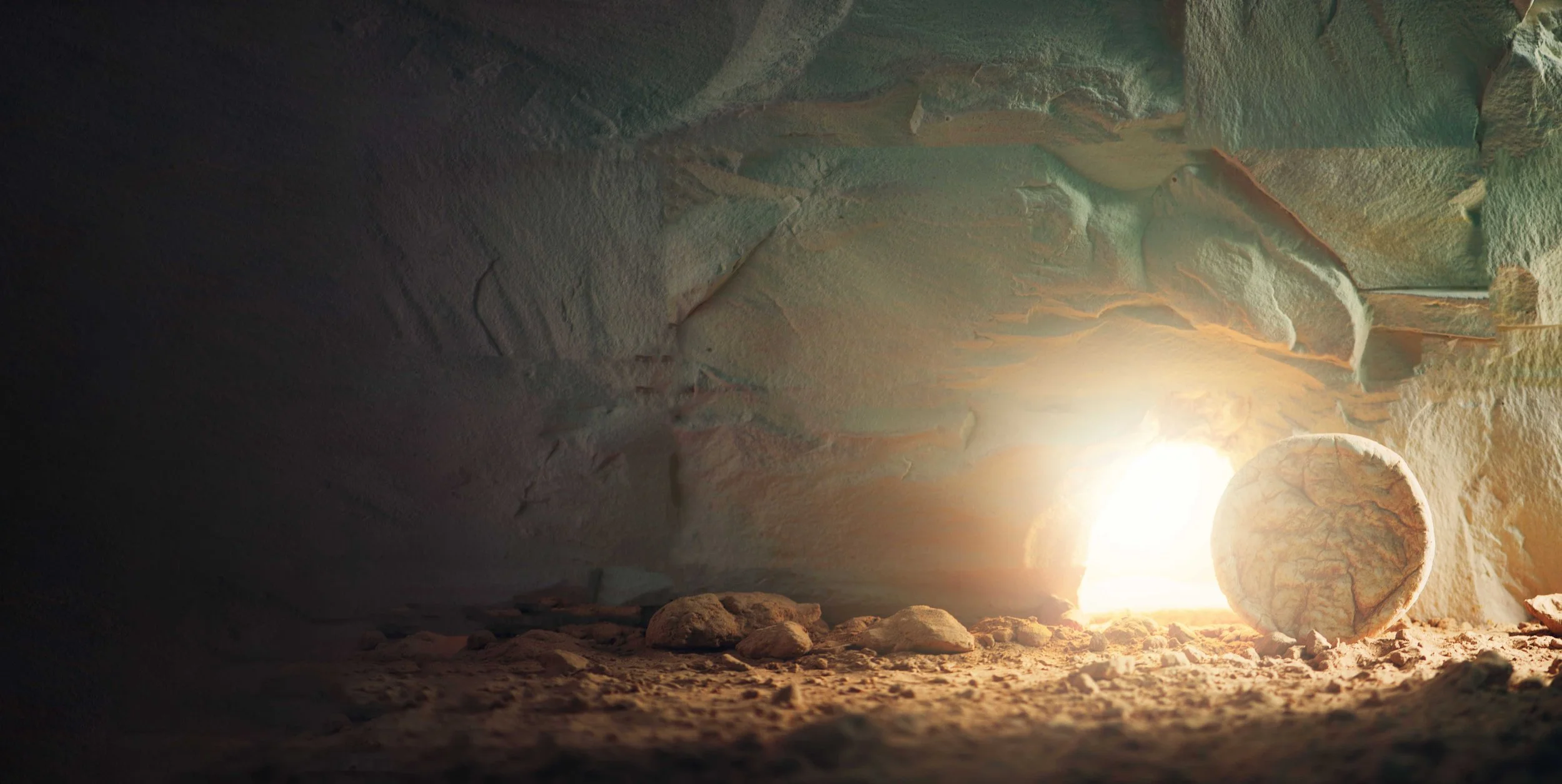
Early Sunday morning the ladies went to the tomb to see His grave, and to finish the work of burial with spices and ointments. They wanted to honor their beloved Lord and give Him dignity and care, as well as reduce the odor of decomposition. Instead they were shown an empty tomb and told the greatest ever news that He had risen.
When Peter and John received the report from the women, they ran to see if it was true that the tomb was empty. John saw that it was empty and believed, but we are not told what Peter thought.
Two were walking on the road to Emmaus later that day when a supposed stranger joined them. He asked them what they were talking about and they reported what had happened to their Master. After He was buried, rumors were circulating that He had risen. There must have been a hint of doubt in what they said. The stranger explained the need for resurrection from the Scriptures, but they did not recognize Him until He blessed the bread they were about to eat. It was at that moment that they recognized Him.
That night the disciples were together hiding from the authorities in fear that they might possibly come after them too. The two who had been on the road to Emmaus came back to the others, but the disciples were still not believing. Then Jesus appeared in their midst and everything began to change.
The disciples reported their experience to Thomas, who missed this first appearance, but he couldn’t believe their report. So a week later while they were all gathered together, Jesus appeared and invited Thomas to examine the evidence. Thomas cried out, “My Lord and my God,” strong words of the faith born in him.
We all started the journey of life in darkness, but then came the dawn when light flooded our souls with the reality that Jesus is Lord and God. Easter is all about this dawning day and reminds us year-to-year that He is alive – proof of His true identity, proof of His power and life, proof of our future with Him, and proof of the new life we received when we are born again. Happy Easter!
… you were formerly darkness, but now you are Light in the Lord;
walk as children of Light
(for the fruit of the Light consists in all goodness and righteousness and truth),
trying to learn what is pleasing to the Lord.
Ephesians 5:8